

Bangladesh Human Rights Report Highlights Mob Killings and Pressure on Journalists
Bangladesh's human rights situation remained under significant strain during April and May, with a surge in mob violence, continued border fatalities, and mounting legal pressure on journalists highlighting persistent concerns over accountability, civil liberties, and the rule of law, according to a new report by the Foundation for Human Rights Culture (MSF).
The rights organization said recent developments point to ongoing structural weaknesses in the country's human rights framework despite efforts to improve governance and public security.
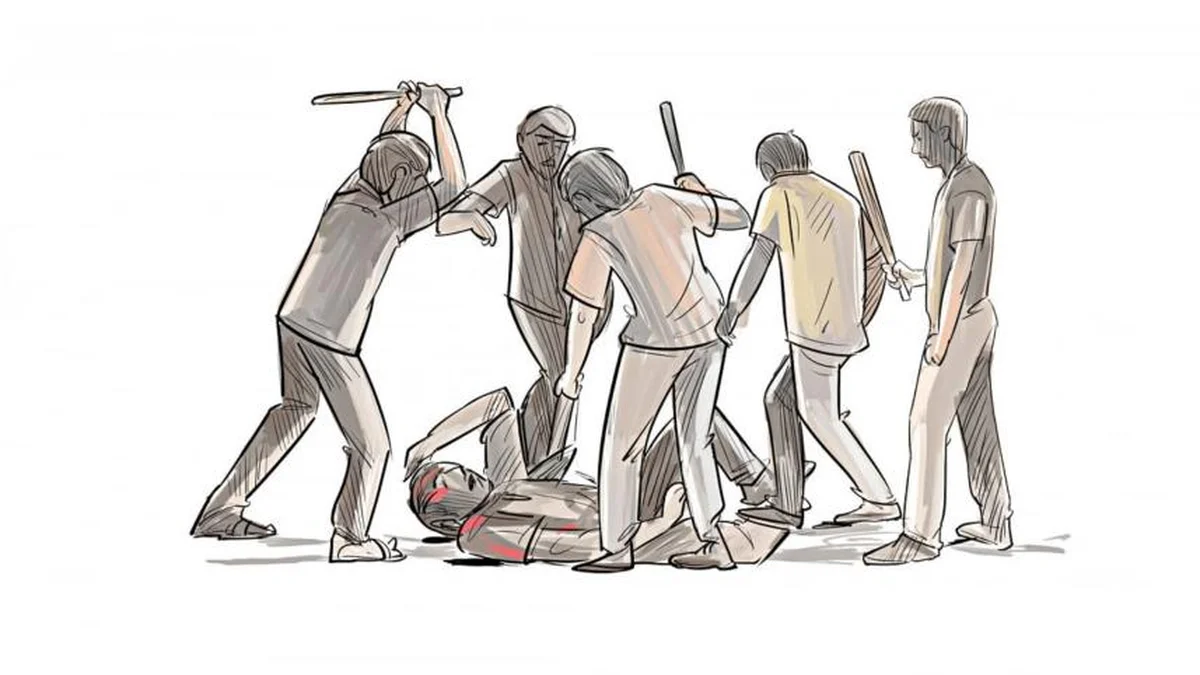
One of the report's most concerning findings was the sharp increase in mob violence. At least 32 people were killed and 71 others injured in mob-related incidents during May, compared with 21 deaths recorded in April. Many of the attacks were linked to allegations of theft, robbery, or personal disputes, reflecting what rights observers described as a growing tendency toward vigilante justice.
MSF warned that the normalization of extrajudicial social violence threatens public confidence in legal institutions and weakens the state's ability to enforce the rule of law. The disruption of a film screening in Brahmanbaria on May 30 was cited as a notable example of increasing mob influence in public life.
The report also highlighted a deteriorating security situation along Bangladesh's international borders. Ten people were killed in separate incidents on the country's frontiers with India and Myanmar during the reporting period.
Along the Indian border, residents faced growing uncertainty amid allegations of torture and forced cross-border pushbacks. Rights monitors documented at least ten such incidents in May, raising concerns about the safety and rights of people living in border communities.
On the southeastern frontier with Myanmar, three Bangladeshi nationals were killed in a landmine explosion, underscoring the continuing security risks in the region.
Press freedom remained another area of concern. Although physical assaults on journalists declined compared with the previous month, legal actions against media professionals increased noticeably.
According to the report, 13 journalists faced legal harassment in May, up from eight in April. Rights advocates argue that defamation lawsuits, criminal complaints, and provisions under the Cyber Security Act are increasingly being used to intimidate journalists and discourage critical reporting.
Political violence showed signs of easing but remained a concern. The number of people injured in politically motivated clashes fell to 193 in May from 303 in April. However, confrontations between rival political groups and internal disputes within the Bangladesh Nationalist Party (BNP) continued to contribute to instability.
The report also noted a rise in arrests linked to cases filed after the country's political transition, with the number increasing from 30 in April to 65 in May.
Concerns over the treatment of detainees persisted as well. Seven deaths were reported in police custody during May, slightly higher than the previous month. Human rights advocates said the incidents raise questions about prisoner safety, accountability, and oversight within the criminal justice system.
Meanwhile, authorities recovered 53 unidentified bodies from rivers, railway tracks, agricultural land, and remote areas across the country. Most of the victims remained unidentified, highlighting challenges facing law enforcement and forensic investigations.
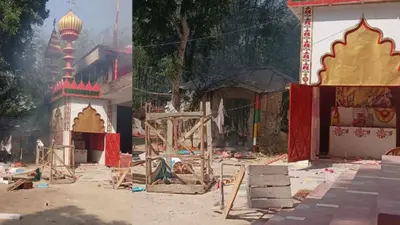
While attacks targeting religious minorities declined during the reporting period, rights observers cautioned that communal tensions remain a potential risk. Incidents involving vandalism of religious idols and damage to homes were reported, while online misinformation and inflammatory content continued to fuel concerns over social harmony.
The report further identified land disputes and religious tensions in the Alutila area of Khagrachari as emerging challenges that could affect stability in the Chittagong Hill Tracts.
Human rights analysts said the combined impact of mob violence, border deaths, custodial fatalities, and restrictions on freedom of expression reflects deeper institutional challenges. They warned that without stronger legal safeguards, accountability mechanisms, and protections for civil liberties, Bangladesh's human rights situation could face further deterioration in the months ahead.