



Measles Cases Have Increased 75-Fold This Year
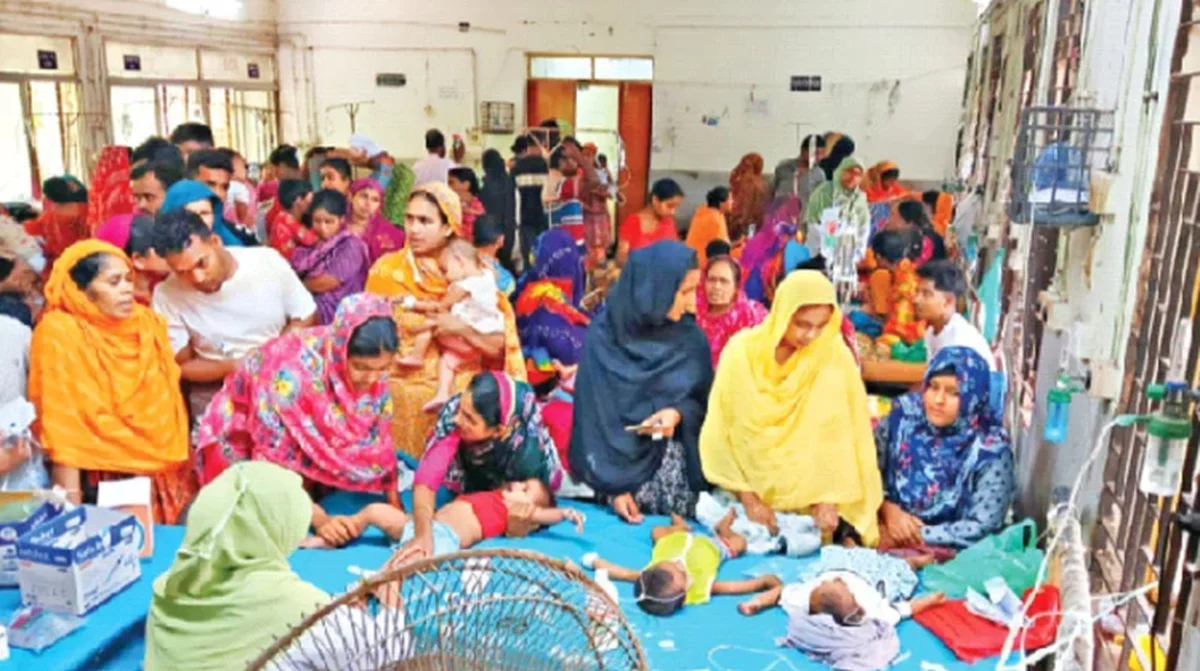
Concerned authorities and experts have identified six key reasons behind the rising spread of measles among children. They say that the increase in infections is due to gaps in the vaccination program, failure to detect the disease on time, strikes by health workers, suspension of sector programs due to funding shortages, lack of distribution of Vitamin A and deworming medicine, and around 10 percent of children remaining outside vaccination coverage each year.
Experts have warned that the combination of these factors has caused infections to exceed previous records. They have emphasized the need to quickly strengthen mass vaccination programs and ensure isolation-based treatment for infected children.
Data from the Directorate General of Health Services (DGHS) shows that in the first three months of this year, measles has been detected in 676 children in the country. During the same period last year, there were 9 measles patients. In 2024, during the same period, there were 64 cases. This means that compared to last year, the number of patients in the first three months of this year has increased 75 times, and compared to 2024, it has increased approximately 11 times. Such data on measles patients across all eight divisions of the country has been provided by the DGHS. However, no data is available on how many children have died from the disease. Earlier, in 2025, a total of 125 measles cases were recorded nationwide.
According to DGHS data, the highest number of measles cases this year—245 patients—has been recorded in the Dhaka division, accounting for 36.24 percent of total cases. This is followed by Rajshahi division with 137 cases (20.26 percent), Chattogram with 93 cases (13.75 percent), Mymensingh with 80 cases (11.83 percent), Barishal and Khulna with 51 cases each (7.54 percent), Sylhet with 13 cases (1.92 percent), and Rangpur division with 6 cases (0.88 percent). However, DGHS has provided data only from government hospitals. Many infections occurring outside this system are not included in the official data.
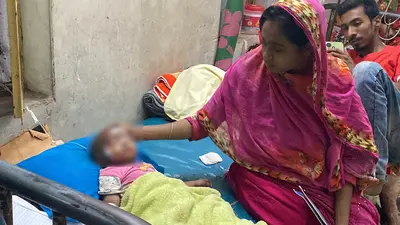
Meanwhile, according to information provided by correspondents citing various hospitals, 41 child deaths have been reported so far. These children reportedly had measles symptoms along with other complications. Among them, 15 died at the Infectious Diseases Hospital in Mohakhali, 6 at Bangladesh Shishu Hospital and Institute, 5 at Mymensingh Medical College Hospital, 4 in Chapainawabganj, and 1 each in Rajshahi, Pabna, and Gopalganj. Additionally, 1 child died in Barishal, 3 in Barguna, 2 in Bhola, and 2 in Jhalokathi, totaling 8 deaths with measles-like symptoms.
Due to the rising measles infections in the country, the National Immunization Technical Advisory Group (NITAG) yesterday recommended lowering the age for measles vaccination to six months. This is because one-third of the recently infected children are under nine months old, which is below the current vaccination age limit.
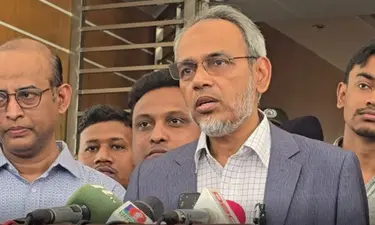
Health Minister Sardar Sakhawat Hossain said yesterday at the Secretariat that a special vaccination campaign will be conducted for children aged six months to five years, likely to be held in June or July. Around 20 million children will be vaccinated under this program. Children as young as six months will be included in this special campaign. However, under the routine immunization program, the existing schedule of two doses at 9 and 15 months will remain unchanged.
Deputy Director of the Expanded Programme on Immunization (EPI), Shahriar Sazzad, said that such special campaigns are usually conducted every six years; the last one was held in December 2020. The planned campaign for 2024 could not be implemented due to political instability in the country. Last year, routine vaccination was disrupted at least three times due to strikes by health assistants in rural areas. Funding shortages also led to the suspension of sector programs, causing disruptions in vaccination activities. Regular distribution of Vitamin A and deworming medicine was also not carried out, which is directly related to child nutrition; malnourished children are at higher risk of measles.
Medicine specialist Siam Moazzem said that children who have not yet been vaccinated—especially those under 15 months of age or those who missed one or both doses—are at the highest risk of measles infection. Additionally, children with malnutrition or weakened immunity are more vulnerable. Breastfeeding helps develop antibodies in a child’s body from the mother, which aids in preventing infections. However, this protection does not work equally for all children. He added that children who did not receive exclusive breastfeeding or who are malnourished have comparatively weaker immune systems, making them more susceptible to measles.