Low and Middle-Income Families Struggle Amid LPG Price Surge
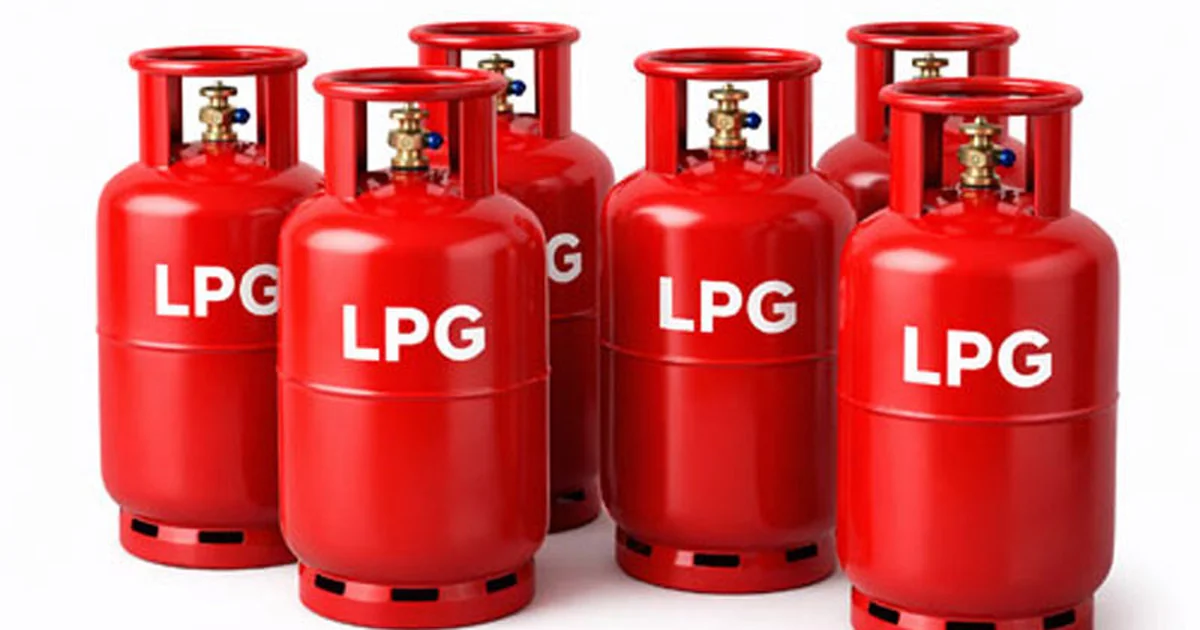
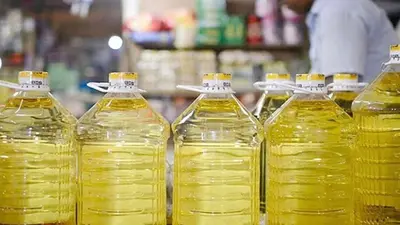
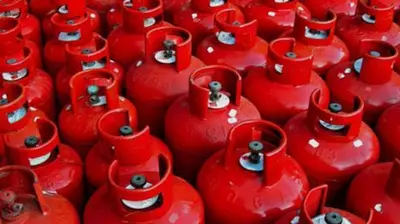
The Bangladesh Energy Regulatory Commission (BERC) has announced a significant price increase in the liquefied petroleum gas (LPG) market in the country. For the month of April, the price of a 12 kg cylinder has been increased by 387 taka to 1,728 taka, which was 1,341 taka in the previous month. This new price has been effective since Thursday evening.
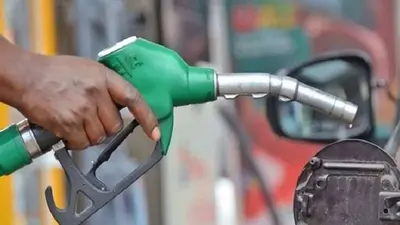
At the same time, the price of autogas used in vehicles has also increased significantly. The price per liter of autogas has been raised from 61 taka 83 paisa to 79 taka 77 paisa. As a result, there is a concern that transportation costs will rise, which may also impact overall inflation.
However, the real market situation is even more alarming. Even when the government-fixed price was 1,341 taka, consumers in many cases had to purchase cylinders at prices ranging from 1,800 to 2,200 taka. Now, with the newly increased government price, consumers fear that the price of a 12 kg cylinder may exceed 2,500 taka in the market.
Investigations in various areas of the capital reveal significant instability in retail LPG sales. A resident of Uttara reported that even after visiting several shops, gas was not available at the government-fixed price, and he was ultimately forced to buy at a higher price. Residents of Lalbagh and Tongi have reported similar experiences.
According to official data, approximately 185,000 metric tons of LPG were supplied in the country in March, which is the highest in recent times. This indicates that there is no clear evidence of a supply shortage. Despite this, allegations of an artificial crisis have emerged in the market. Consumers claim that an unscrupulous syndicate is deliberately increasing prices and controlling the market.
Retail sellers, however, say that they are also forced to purchase gas at higher prices. Their allegation is that prices are being increased at the dealer level. On the other hand, LPG traders claim that companies have raised supply prices, making it impossible to sell at the fixed rate.
Experts say that weaknesses in market management and lack of monitoring are the main reasons behind this instability. According to Professor Dr. Shamsul Alam, energy advisor of the Consumers Association of Bangladesh (CAB), a dominant group is controlling the market due to the absence of effective competition. He stated that this situation has arisen due to a lack of coordination among regulatory bodies.
According to him, due to the lack of coordinated initiatives among BERC, the Directorate of National Consumer Rights Protection, and the Competition Commission, dishonest traders are escaping punishment. As a result, price control in the market is effectively being disrupted.
Under the current situation, low- and middle-income families are the most affected. Due to limited alternative fuel options in urban life, LPG usage has become almost mandatory for them. At the same time, rising house rents, food prices, and transportation costs have multiplied their financial burden.
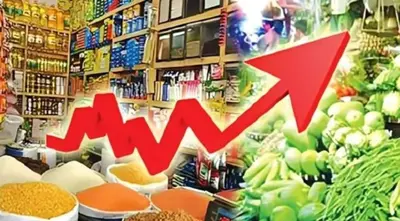
Analysts believe that this increase in LPG prices will not remain confined to the energy sector alone; it will create pressure on the overall economy. Along with increased cooking costs, rising transportation expenses may also drive up the prices of goods.
To bring the situation under control, experts emphasize strict monitoring at the dealer and retail levels, making price lists mandatory for display, conducting regular mobile courts, and canceling the licenses of dishonest traders.
Overall, it can be said that the current instability in the LPG market is no longer just a fuel crisis; it has become an economic challenge that directly affects the livelihoods of ordinary people.