


Middle- and Lower-Income Groups to Face Greater Cost Burdens
Higher Electricity Costs Following Fuel and Gas Price Hikes
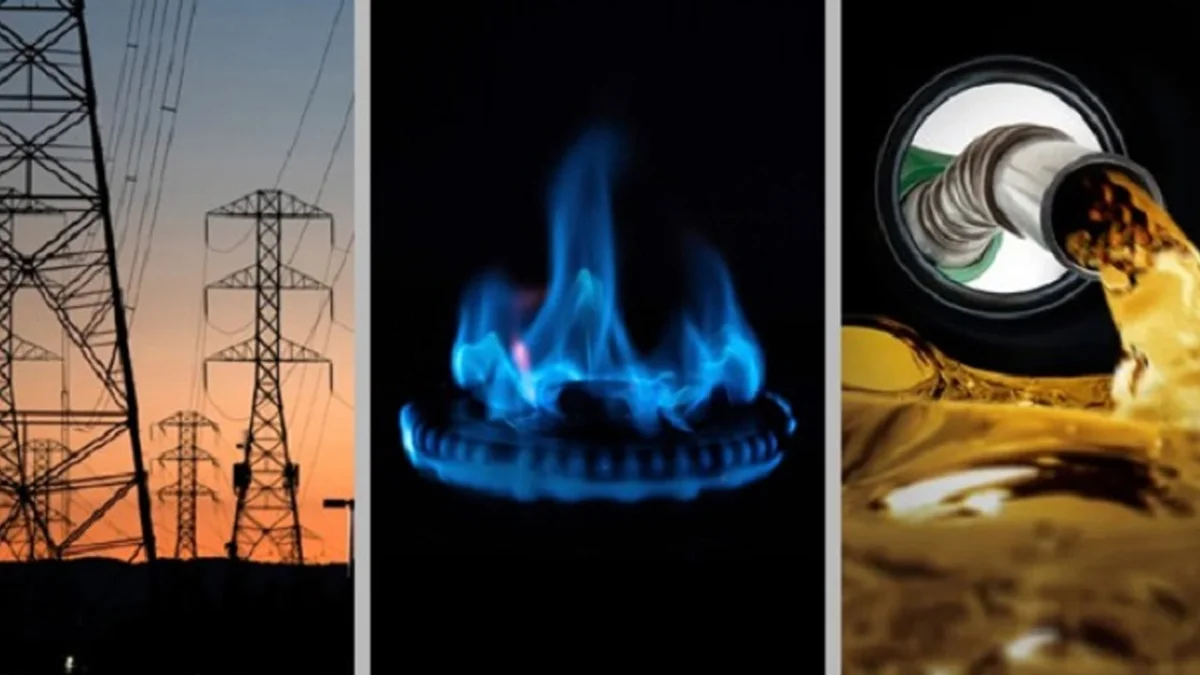
Already squeezed by high inflation, ordinary people are struggling to cope. From the market for daily necessities to almost every aspect of life, expenses continue to rise. In such a situation, fuel prices in the country have increased due to the impact of global instability and uncertainty. The cost of liquefied petroleum gas (LPG), used for cooking, has also risen significantly compared to before. Added to this concern is the recent increase in electricity prices.
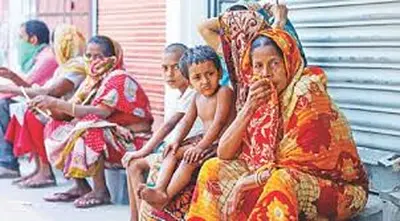
Experts say that when the prices of fuel, gas, and electricity rise, costs increase one after another in agriculture, product storage, industry, transportation, marketing, and service sectors, which ultimately fall on consumers. In particular, the pressure on middle- and lower-income groups increases substantially, making survival even more difficult for them.
According to the latest figures from the Bangladesh Bureau of Statistics (BBS), inflation rose to 9.04 percent in April. In the previous month of March, it stood at 8.71 percent. Both food and non-food inflation increased in April compared to March, reaching 8.39 percent and 9.57 percent respectively. This means that the cost pressure behind all types of goods has increased. Experts fear that the recent increases in fuel, gas, and electricity prices will add further pressure.
Market analyst and former president of the Consumers Association of Bangladesh (CAB), Golam Rahman, said that people are not doing well under the burden of rising living costs. Those who depend on fixed incomes or pensions are facing severe difficulties. At the same time, working-class people and the poor are also suffering greatly from inflationary pressure. The middle class has now joined this list as well. Their debts are increasing as they struggle to survive. Many are unable to repay old loans and some are even unable to pay house rent regularly. As a result, they are being forced to cut household expenses. At such a time, the increase in electricity prices has added to their worries. The current government had said that electricity prices would not be increased, but that promise was not kept.
The former commerce secretary further said that along with fuel prices, cooking gas prices have also increased. Now electricity prices have gone up as well. Naturally, this will create a ripple effect throughout the market and economy. It will increase production costs, raise expenses related to agricultural product storage and processing, and affect the industrial and transportation sectors. Overall, the pressure of living expenses will increase. At the same time, the burden of debt will also rise. The government must take more effective measures to ease the suffering of people affected by inflation.
Recently, the Bangladesh Energy Regulatory Commission (BERC) increased the average retail electricity price by around 17 percent. BERC Chairman Jalal Ahmed announced the new tariff at a press conference held at the commission’s office in Ramna on Wednesday. However, on Thursday, the commission partially revised the decision and restored the previous rates for two categories of residential consumers. The revision was made to provide relief to low-income people.
BERC stated that the previous rates would remain in effect for the lifeline category of residential consumers who use between zero and 50 units of electricity, as well as for consumers in the first slab who use up to 75 units. The distribution companies' applications were considered, and the previous rates were retained for these two categories.
Meanwhile, energy expert M. Shamsul Alam sees policy failures behind the increase in electricity prices. He said that imposing the burden of higher prices on ordinary people without preventing corruption and waste in the power sector is unjust. For a long time, deficits, costs, and profits in the electricity sector have increased unfairly, and money has been misappropriated. Instead of addressing and preventing these issues, electricity prices have been increased. In other words, the government has chosen the easier path. The irregularities in the sector must be addressed first.
The CAB energy adviser further said that the impact will be felt across food, agriculture, production, commodity prices, and various other sectors. People’s purchasing power will decline, their consumption expenditure will decrease, and purchases of goods and services will fall. Overall, people’s lifestyles will become more constrained. Although the government has spoken about reducing inflation, no significant strategic plan has yet been seen. Under such circumstances, increasing fuel and electricity prices may push inflation even higher.
On May 31, the prices of octane, petrol, and kerosene were increased by Tk 5 per litre. The Ministry of Power, Energy and Mineral Resources stated that fuel prices were adjusted in line with international market trends.
Meanwhile, from March through June, the price of a 12-kilogram LPG cylinder fluctuated and eventually reached Tk 1,885. In March, it was Tk 1,341. This means consumers are now paying Tk 544 more per cylinder, representing an increase of 40.60 percent.
Amid rising expenses in markets, transportation, house rent, and other sectors, the increase in cooking gas and electricity prices has added to the concerns of private-sector employee Md. Jashib Uddin, a resident of the capital’s Kalshi area.
He said, “Every month I have to run my family on a fixed salary. It is already difficult to manage house rent, transportation, and grocery expenses. The prices of everything in the market are increasing. The cost of cylinder gas has risen excessively. On top of that, we often have to buy cylinders at prices higher than the official rate. Now electricity prices have increased as well, and I do not know how many more expenses will rise. But salaries do not increase accordingly. At the same time, there is pressure to repay loans. I spend my days worrying about which expenses to cut and how to manage everything.”
Md. Habibur Rahman, an auto-rickshaw driver from the Kadamtali area, has cut many household expenses just to survive.
He said, “I have almost stopped eating fish and meat. I buy fewer clothes. I do not attend wedding ceremonies anymore. How much more can I cut back? Previously, when I took long-distance trips, I would eat outside. Now I do not even do that in order to save money.”
Meanwhile, owners of hotels, restaurants, and food outlets say that along with rising commodity prices, gas and electricity prices are also increasing. This may affect food prices.
Imran Hasan, Secretary General of the Bangladesh Restaurant Owners Association, said that the prices of daily necessities have increased, and when gas and electricity prices rise, the cost of preparing food in restaurants also increases. Business owners cannot continue absorbing these additional costs indefinitely. As a result, food prices are affected. However, restaurants cannot increase prices significantly either because doing so risks losing customers. People are already eating out less than before, and customer numbers have declined. In this situation, the increase in gas and electricity prices will make the crisis even more severe.